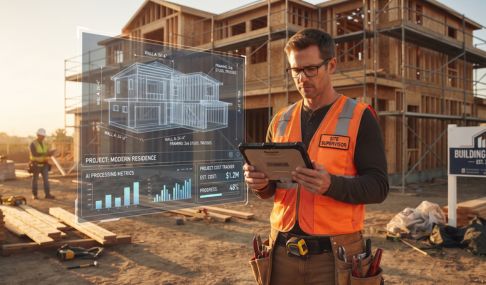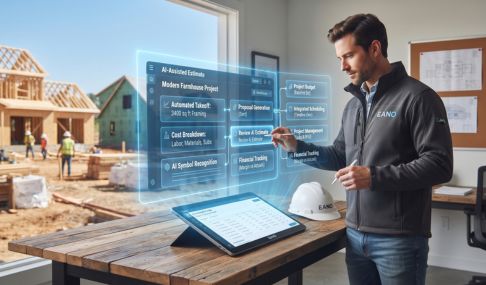

Best Remodel Estimating Software for Contractors (2026)
If you have ever lost a job because your estimate came in too high, or won a project and later realized you underbid it, you already know the real cost of a messy estimating process. In remodeling, pricing is not just a back-office task. It is often the difference between healthy margins and a stressful project that eats your time, your cash flow, and your patience.
That is why more contractors are turning to remodel estimating software. The right system helps you build quotes faster, stay consistent across jobs, and reduce the little errors that add up to big losses. It can also help your team look more professional, which matters more than many contractors admit. Homeowners are often comparing several bids, and the contractor who presents a clear, organized estimate usually feels more trustworthy.
There is also a bigger market trend behind this. According to the Joint Center for Housing Studies of Harvard University, U.S. homeowners continue to spend heavily on home improvements and repairs, which keeps demand strong for remodelers who can respond quickly and accurately. In a competitive market, speed and precision matter.
In this guide, we will break down what remodel estimating software does, what features matter most, and how contractors can use it to create better estimates without turning every bid into a late-night scramble.
What remodeling estimate software actually does
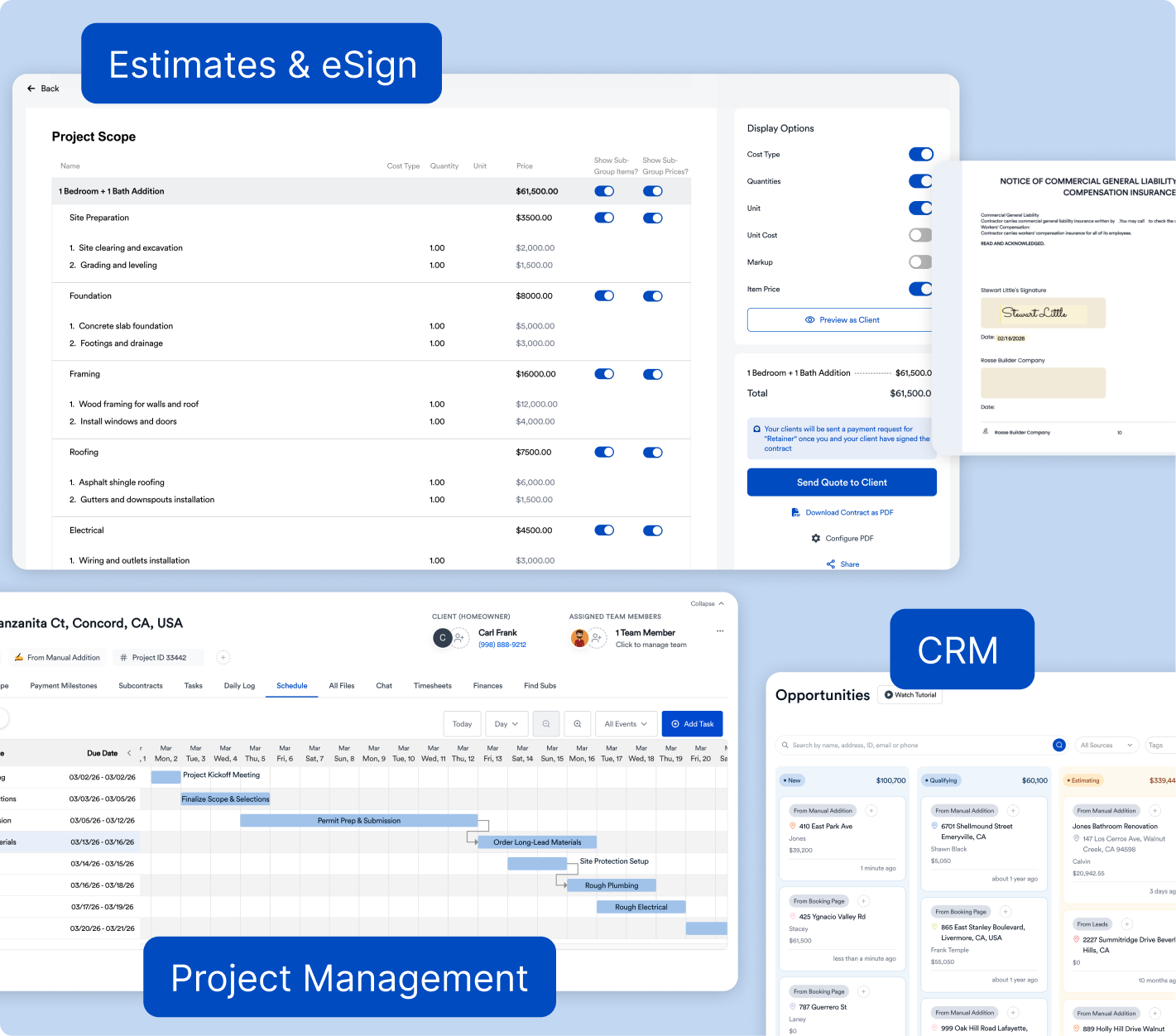
At its simplest, remodel estimating software helps contractors calculate the cost of a project. But good software does much more than total up numbers. It becomes a system for building consistent, repeatable, and more accurate bids.
Instead of starting from scratch each time, you can pull from templates, reusable line items, labor rates, material pricing, overhead assumptions, and profit targets. That means your estimates are based on a process, not a memory.
For remodeling businesses, that process matters because every project is different. A kitchen remodel, bathroom renovation, or whole-home update may all use different materials, trades, and labor sequences. Software helps you organize all of that in one place so you can see where the money is going before the job starts.
Efficient estimating is one of the key features, but it doesn't stop there. We'll delve into the other areas further down that make up the full lifecycle of the world you live in.
Why contractors need better estimating tools
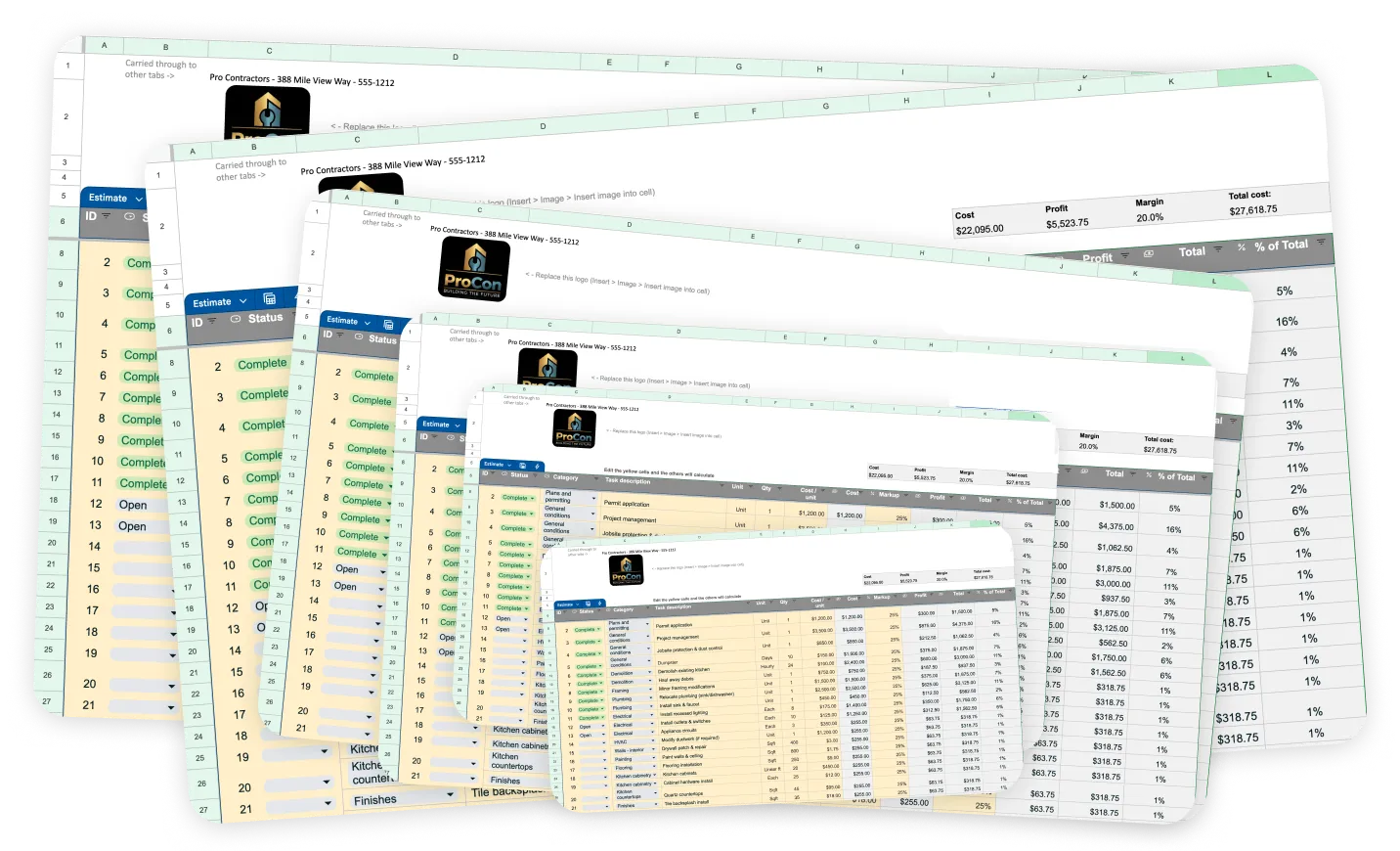
Many contractors begin with spreadsheets, handwritten notes, or old proposals copied from earlier jobs. That may work when you are small, but the cracks start to show as soon as business picks up.
And if you’re still relying heavily on spreadsheets, it’s worth looking at what that’s actually costing you—beyond just time—especially as your workload grows.
Here are the problems contractors run into most often:
- Forgetting hidden costs like disposal, permit fees, or travel time
- Using outdated material pricing
- Underestimating labor hours
- Inconsistent markup from one job to the next
- Spending too much time rebuilding estimates manually
- Sending proposals that look confusing or incomplete
If you want to dive deeper, check out the article on things that can blow construction budgets.
When estimates are inconsistent, so are profits. Some jobs look great on paper and still lose money because the numbers were too optimistic. Other jobs get priced so conservatively that the contractor loses the bid before the conversation even starts.
Good estimating software gives you a better middle ground. It helps you price with confidence, stay competitive, and explain your numbers in a way homeowners can understand.
Key features to look for in remodel estimating software
Not all tools are created equal. Some are little more than digital spreadsheets. Others are built to support the full estimating workflow from the first walkthrough to the final proposal. If you are shopping for remodel estimating software, these are the features worth paying attention to.
1. Customizable templates
You should be able to create estimate templates for kitchens, bathrooms, basements, additions, and other common project types. Templates save time and help your bids stay consistent.
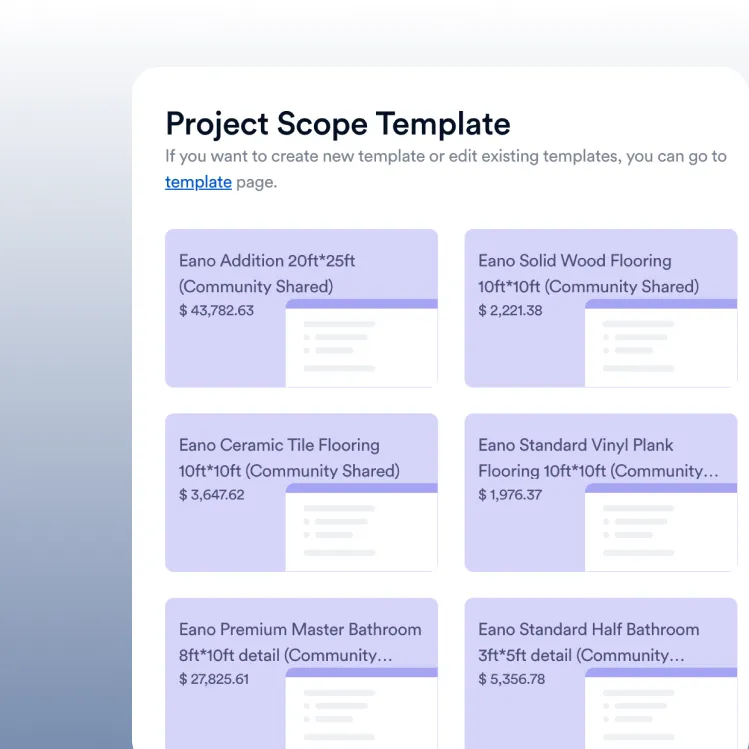
If you’re starting from scratch or want to tighten up your process, learn more about free remodeling estimate templates that actually win jobs.
2. Material and labor databases
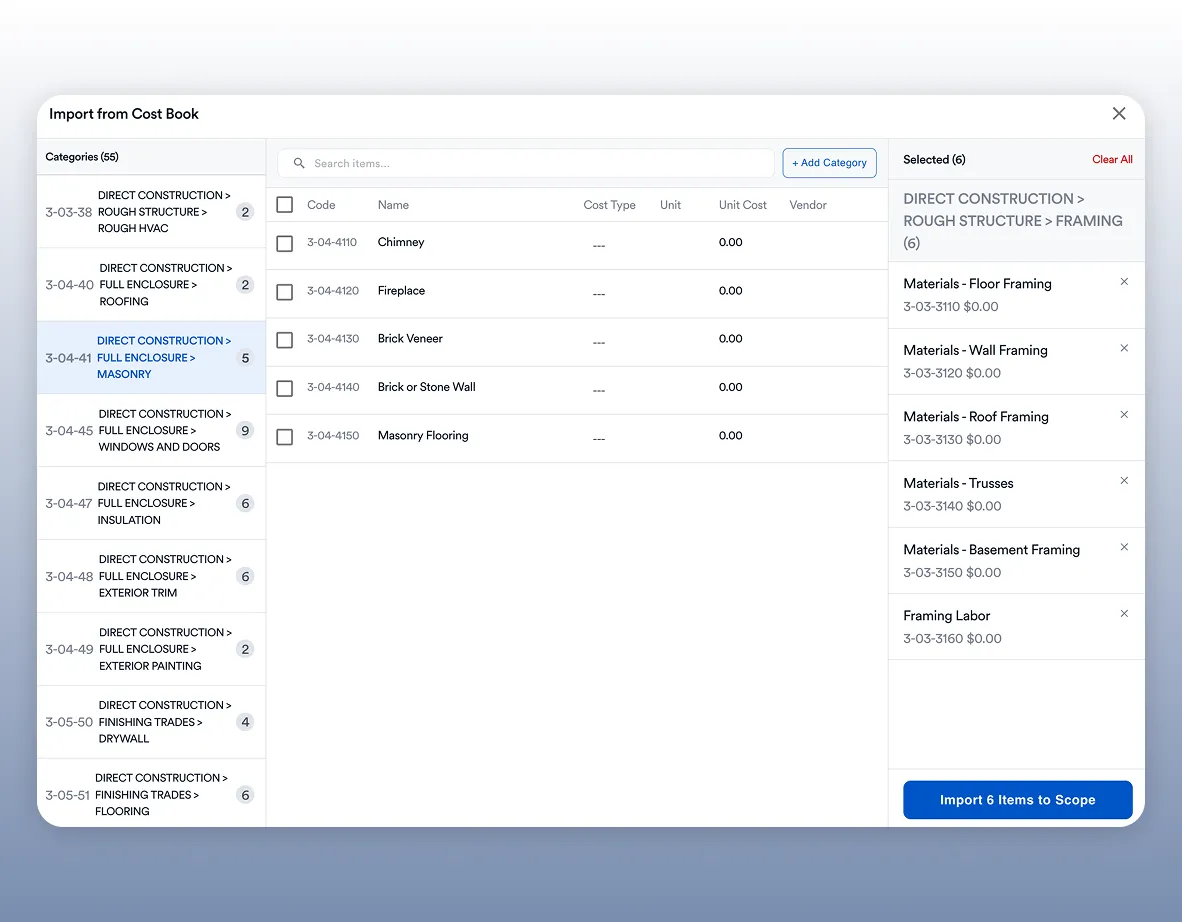
A solid system lets you store pricing for products, labor, and subcontractor costs. That way you do not have to type in the same items over and over again.
3. Markup and profit controls
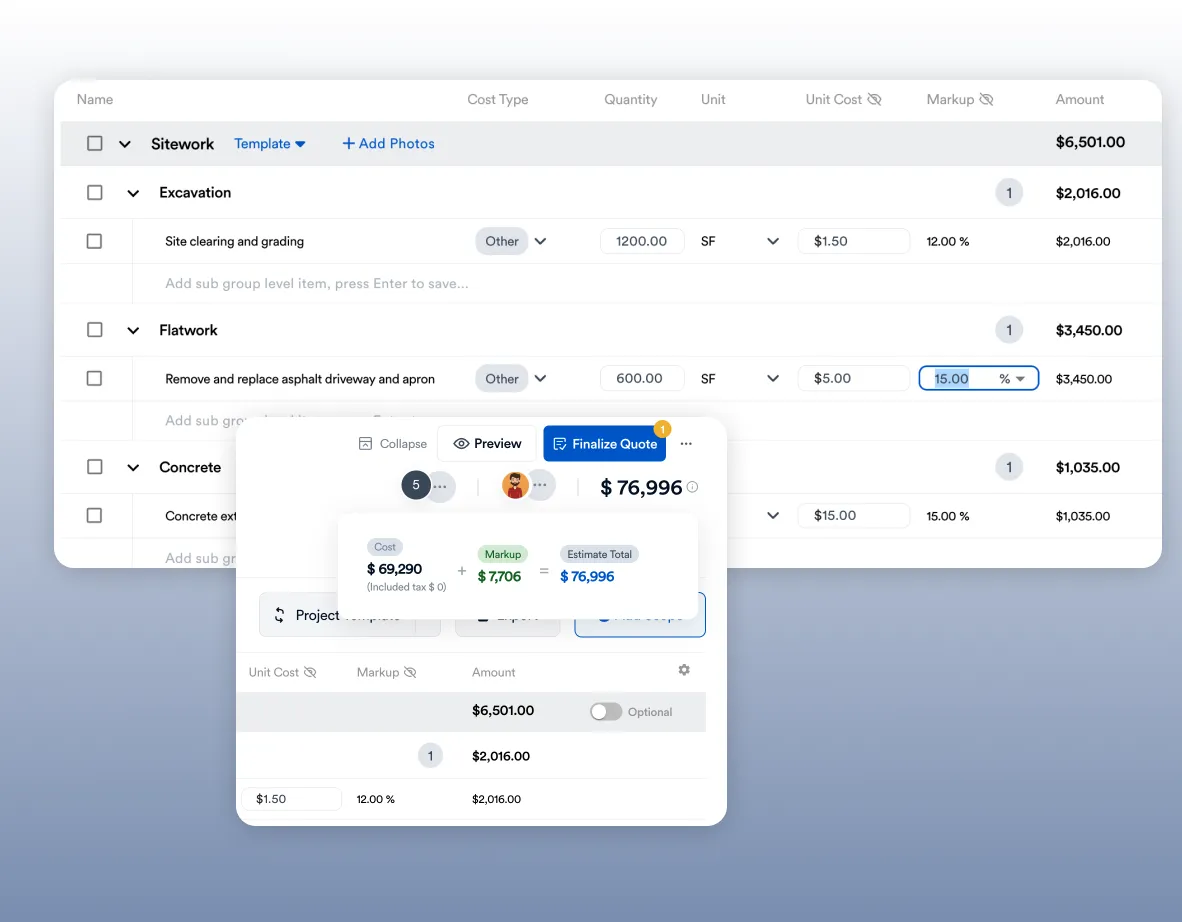
Your software should make it easy to apply markups and target margins. If you cannot see how profit is being built into the estimate, you are flying blind.
4. Proposal formatting
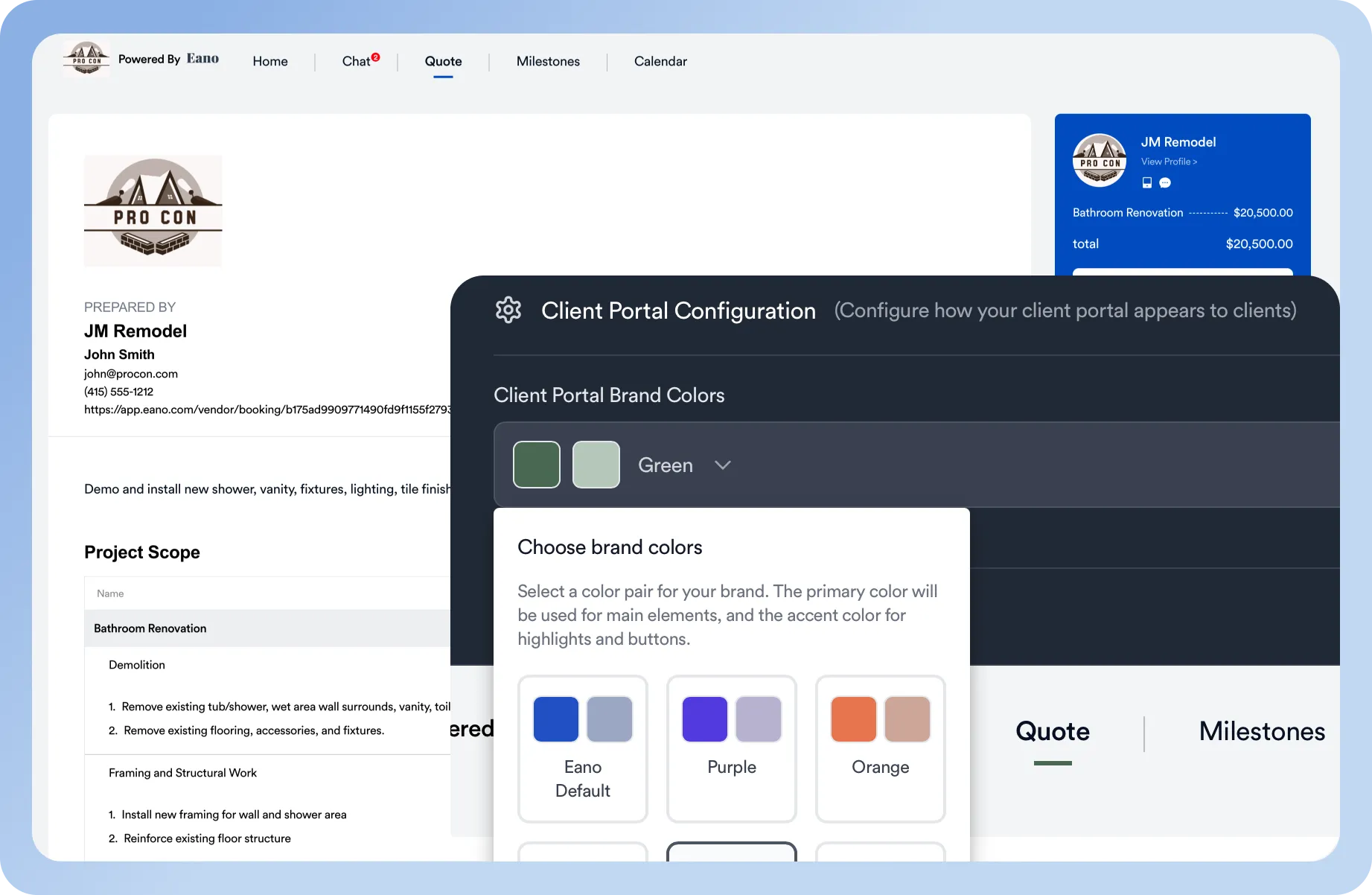
Homeowners do not need a spreadsheet dump. They need a polished proposal that explains the scope, the numbers, and the value behind the price. Better formatting can make a surprising difference in close rates.
5. Change tracking
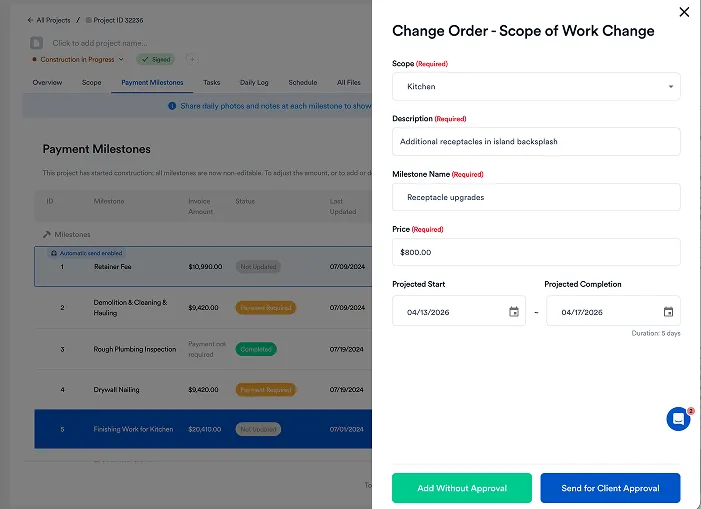
Remodels change. Scope shifts, products get swapped, and unexpected issues show up behind walls. Estimating software should help you revise pricing without losing control of the original budget.
These should be handled with change orders.
6. Integration with your workflow
The best software does not live alone. It should fit with your CRM, project management, invoicing, or sales process so you are not entering the same information five different times.
How estimating software improves bidding accuracy
Accuracy is where remodel estimating software earns its keep. When pricing is based on repeatable inputs, your bids become less dependent on gut feeling and more grounded in real numbers.
That does not mean estimating becomes robotic. Experienced contractors still need to account for site conditions, homeowner preferences, and the realities of each job. But software gives you a framework so your judgment is backed by data.
A good estimating workflow typically includes:
- Walking the property and documenting scope
- Identifying labor categories and trade requirements
- Pricing materials from current sources
- Adding overhead, contingency, and profit
- Reviewing the estimate for missed items
- Presenting the final proposal clearly
If you want to see how this plays out in practice, here’s a breakdown of how to estimate a remodeling job without losing money.
The biggest benefit is not just fewer mistakes. It is better visibility. When your costs are broken down clearly, you can spot weak margins before sending the bid. You can also compare completed jobs against estimates and learn where your assumptions were off. That feedback loop is how contractors get better over time.
The hidden value: time savings and professional presentation
Contractors usually think of estimating as a math problem. In practice, it is also a sales problem and a time problem.
When you spend hours building one estimate, that is time you are not spending on follow-ups, site visits, production planning, or closing the next job. Remodel estimating software helps reduce that drag. Even small time savings on each bid can add up fast over a busy season.
Professional presentation matters too. Homeowners are not just buying cabinets, tile, paint, or drywall. They are buying confidence. A clean proposal signals that your business is organized and serious. It makes the price easier to understand, which can reduce unnecessary objections.
That does not mean the software should make you sound corporate or cold. The best proposals still feel human. They should explain what is included, what is not, and what the homeowner can expect next. A clear estimate builds trust because it shows that you respect the customer’s money and time.
How to use remodel estimating software without losing the personal touch
One concern some contractors have is that software will make their process feel rigid. That only happens if the tool is used the wrong way. The software should support your judgment, not replace it.
Use it as a starting point for structure, then tailor each estimate to the real conversation you had with the homeowner. If a client wants a more luxurious finish, make that visible. If a job has access issues or scheduling constraints, account for them. The software gives you a framework, but your field experience still shapes the final number.
This balance is especially important in remodeling, where homeowners often need guidance. They may not know the difference between a standard allowance and a premium selection, or why demo costs can rise when hidden damage is found. Good estimating software helps you explain these things with clarity instead of improvising under pressure.
Where Eano Pro fits into the process
For contractors who want to move faster without sacrificing accuracy, Eano Pro can be a strong fit. It is designed to help streamline the remodeling workflow so estimates are easier to build, communicate, and manage.
If your business focuses on kitchens, bathrooms, or similar residential projects, Eano Pro can help you keep your process organized from the first conversation to the final proposal. You can learn more about remodel estimating software.
The real value of a platform like Eano Pro is not just one feature. It is how the pieces fit together. When estimating, planning, and client communication are aligned, your team spends less time chasing details and more time moving projects forward. That is especially useful for growing contractors who need a better system without adding unnecessary complexity.
Practical tips for getting more value from your estimating system
Software works best when your process is clean. If you want better results, start with a few simple habits:
- Review completed jobs and compare actual costs to estimates
- Update your pricing regularly
- Keep templates for your most common project types
- Standardize markups so margins stay consistent
- Document assumptions clearly in every proposal
- Train your team so everyone estimates the same way
These small habits create real improvements over time. They also make it easier to hand off work as your business grows. Instead of relying on one estimator’s memory, you build a repeatable company system.
Final thoughts
Remodeling is too competitive and too margin-sensitive to leave estimating to chance. Whether you are a solo contractor or running a growing team, remodel estimating software can help you price jobs more accurately, save time, and present proposals that feel more professional.
Just as important, it can give you confidence. When you know your numbers are grounded in a clear process, you can bid faster and negotiate from a stronger position. That means less stress, fewer surprises, and a better shot at winning the right projects.
If you have been relying on spreadsheets and memory, now is a good time to upgrade your process. The right software will not replace your experience, but it can make that experience work a lot harder for you.
And if you are looking for a system that supports remodeling contractors with a cleaner, more organized workflow, Eano Pro is worth a closer look.