From Estimate to Approved Contract: A Better Construction Proposal Strategy
Winning more jobs starts with a proposal process that's buttoned up and easy to trust. The stakes are higher than a single missed bid: research from Autodesk and FMI found that 52% of rework in construction traces back to poor project data and miscommunication, costing the U.S. industry an estimated $31.3 billion a year — and a proposal is often where that miscommunication starts. A scope that reads clearly to the person who wrote it can leave real ambiguity for the client reading it cold, and that ambiguity has a way of resurfacing later as a change order or a disputed line item.
None of that means proposals need to be complicated. It means the handful of details that actually matter — scope, price, timeline, terms — need to make it into the document clearly and consistently, every time, regardless of who's building it that week.
The asymmetry here is worth sitting with. Winning a client's trust enough to get a shot at the job can take a strong reputation, a good referral, and a solid walkthrough. Losing that same job to a slow or sloppy proposal takes nothing more than a few extra days and a document that reads like it was rushed. The two sides of that trade aren't remotely equal in effort, which is exactly why the proposal stage deserves more attention than it usually gets.
It's also worth noting that proposal quality isn't really a separate skill from estimating. An accurate estimate that gets communicated poorly produces the same lost job as an inaccurate one — the client can't tell the difference between a contractor who priced the job wrong and one who priced it right but explained it badly. Both look the same from across the table.
Why Proposal Precision Matters in Construction
A strong proposal is more than a formal step — it's your handshake, your plan, and your price tag, all rolled into one. Small mistakes or unclear details can quickly lead to lost deals or messy disputes down the line. General contractors and owners want transparency, speed, and something they can sign with confidence.
But in reality, proposals often drag on for days or weeks. Information gets lost in emails. Last-minute revisions cause confusion. Getting from estimate to signature should be simpler.
The gap between "the price is basically settled" and "the client has a signed contract in hand" is where a surprising number of jobs are actually lost. A client who's ready to move forward doesn't always wait a week for the paperwork to catch up — they call the next contractor on their list, and by the time the original proposal arrives, the decision has already been made.
There's a second, quieter cost that shows up after the job starts rather than before it. A proposal with vague or missing exclusions doesn't just risk the sale — it sets up the exact disagreement that turns into a change-order argument once demo begins and the client discovers something they assumed was included wasn't. Precision at the proposal stage is cheaper than the same clarification delivered mid-project, when trust is already on the line.
Streamlining Construction Proposal Management for Results
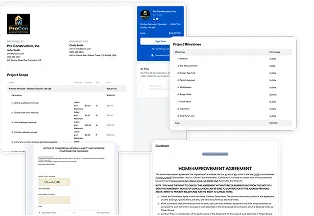
When you use a smart approach to construction proposal management, you eliminate the bottlenecks that slow down approvals. The right system brings together your estimates, scope, schedules, and terms — so nothing falls through the cracks.
Manual workflows, like juggling PDFs and spreadsheets, eat up valuable hours. With digital tools, proposals can be generated, sent for review, and approved in a fraction of the time. More importantly, your team gains a clear record of every change and sign-off. That means fewer disputes and faster payments.
Choosing a platform built for construction proposal management, helps keep your team and clients on the same page. This reduces errors, speeds up response times, and improves your win rate, job after job.
The record-keeping piece is easy to undervalue until a dispute actually happens. When a client questions a line item three weeks into a job, being able to point to the exact version of the proposal they signed — not a guess about which draft was "final" — turns a potentially tense conversation into a quick one.
Templates play a bigger role in this than they might get credit for. A proposal assembled from a maintained, up-to-date template starts from correct boilerplate and current terms every time, instead of from whichever old file someone happens to find and hope hasn't drifted out of date. That consistency matters just as much for a solo contractor as it does for a five-person estimating team — the difference is just how quickly the gaps show up when nobody's checking.
Common Challenges in Proposal Workflows
- Missed scope items or unclear exclusions
- Delays waiting for approvals or revisions
- Lost paperwork or outdated versions in circulation
- Difficulty tracking status or following up with clients
These issues don't just cost time. They can put you at risk for costly change orders, client frustration, or even legal headaches. A more organized, visible, and accountable proposal process is key to protecting your bottom line.
Most of these problems share a common root: information that exists somewhere — in an estimator's notes, a text thread, a walkthrough conversation — but never makes it cleanly into the document the client actually signs. Fixing that gap tends to matter more than any individual template or formatting choice.
It's also worth noticing how these problems compound with growth rather than shrink. A single estimator building every proposal personally can carry most of this information in their head and catch a missed detail before it goes out. The moment a second person starts building proposals independently, each using their own shortcuts and memory of what the standard terms are supposed to say, small inconsistencies start reaching clients — and nobody notices until one points it out.
How Eano Pro Simplifies Construction Proposal Management
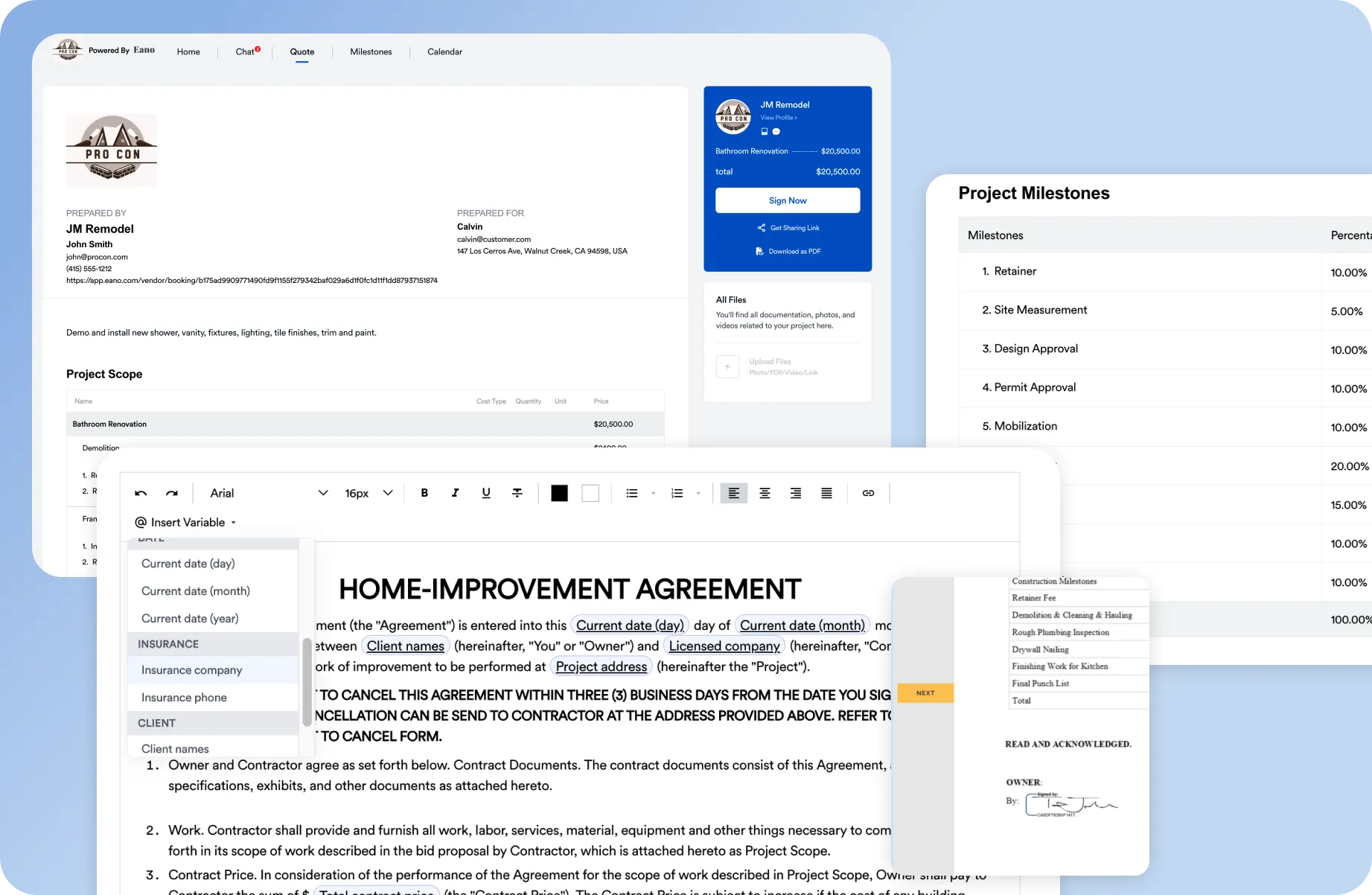
Eano Pro was built with practical contractors in mind. The platform centralizes everything you need to create, send, and track proposals in one place. That means:
- Estimates sync directly into proposals — no manual re-entry
- Built-in change tracking keeps everyone up to date
- eSignature support turns approvals around in hours, not days
- Status dashboards show you exactly where every proposal stands
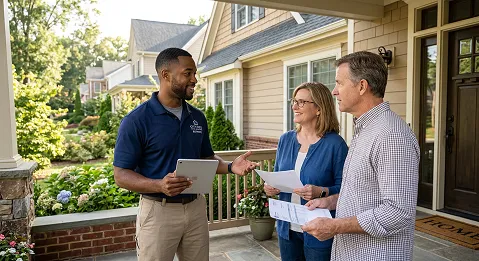
With Eano Pro, you can set clear expectations from the very beginning. Clients see exactly what they're getting, what it costs, and when it'll be done. Your crew starts jobs with fewer surprises and disputes.
The audit trail built into every proposal is what actually makes a disputed cost easy to resolve rather than a he-said-she-said conversation. Being able to point to the specific version a client approved, and exactly what changed after that if anything did, replaces an uncomfortable guessing game with a two-minute lookup.
The sync between estimate and proposal is worth calling out specifically, because manual re-entry is exactly where numbers drift. A material cost that gets typed into a proposal by hand, separately from the estimate it came from, is one keystroke away from a discrepancy nobody notices until the client does. When the proposal pulls directly from the same numbers the estimate was built on, that gap closes by default rather than by careful double-checking.
The status dashboard matters for a different, less obvious reason: it turns "where do things stand" from a question that requires a phone call into something anyone on the team can see in seconds. A project manager who can check proposal status without interrupting an estimator's day is a small thing that adds up over a season of active bids.
Mobile access is worth calling out for the same reason it matters everywhere else in construction: the moment a proposal actually needs adjusting is usually standing in the client's kitchen or backyard, not back at a desk. Being able to tweak a fixture allowance or confirm a scope detail on the spot, during the same conversation where the question came up, keeps momentum that a "let me get back to you" promise tends to lose.
Winning More Jobs With Faster Approvals
Today's clients expect fast, professional responses. If your proposal takes a week to deliver, you risk losing out to contractors who respond in a day or two. Construction proposal management with Eano Pro makes your process quicker and more reliable.
- Instant notifications mean clients never miss a pending document
- Digital signatures speed up kick-off so you can get to work faster
Less time on paperwork means more time on site — and more jobs closed each month.
Speed matters most in exactly the moments it's hardest to deliver on. A homeowner comparing three contractors for the same remodel is, whether consciously or not, also judging how organized each one seems — and the proposal that arrives complete and professional the same day the walkthrough happened has a real edge, independent of whether it's the lowest number on the table.
E-signatures deserve a specific mention here, since the mechanics of collecting a signature are an easy thing to overlook as a source of delay. A proposal that has to be printed, signed, scanned, and emailed back adds days that have nothing to do with whether the client actually wants the job — it's pure friction sitting between "yes" and a signed contract. Removing that one step tends to shorten the gap by more than most contractors expect.
What to Look for in a Proposal Management Platform
Not every tool marketed as proposal software actually solves the problems above. A few questions are worth asking before committing to one: does pricing pull automatically from the same estimate the proposal is based on, or does it require retyping numbers by hand? Can a client actually sign from a phone, or does the process still end in a PDF attachment? And can a new estimator get a professional proposal out the door on day one, or does the tool require weeks of setup before it's usable?
The answers to those questions matter more than a long feature list. A platform that handles the basics — synced pricing, digital signatures, a shared record everyone can see — solves the actual problem. Extra features on top of that are a bonus, not the reason to switch in the first place.
Final Thoughts: Make Construction Proposal Management Your Advantage
Clarity, speed, and accountability set you apart in a competitive market. Streamlined construction proposal management leads to fewer mistakes, faster approvals, and stronger client relationships.
None of this requires overhauling how your team already prices jobs. The estimating judgment stays exactly the same — what changes is how reliably that judgment makes it into a document a client can review, trust, and sign without a week of back-and-forth first. For a closer look at building a proposal that holds up once the job actually starts, see Eano Pro's guide to writing a construction proposal, and for teams scaling past a one-person proposal process, how proposal management changes as a contracting team grows.
Switching tools mid-season understandably gives some contractors pause, but the transition is usually smaller than it sounds. Existing templates, pricing, and terms typically import directly rather than requiring a rebuild from scratch — the actual pricing judgment behind a bid doesn't change, only the busywork of getting it in front of a client changes.
If you're ready to see how Eano Pro can help you win more jobs with less hassle, book a demo today.