
Construction Estimating Software for Small Business Owners Who Don’t Have Time to Waste
You're not just building projects — you're running a business, and every hour spent wrestling with an estimate is an hour that doesn't come back. For a small construction company, the margin for error on a bid is thinner than it is for a firm with a dedicated estimating department.
Why Accurate Estimates Matter More Than Ever
Margins are tight, labor is expensive, and material prices can move between when a bid goes out and when a job starts. When the numbers are off — even by a small percentage on a large line item — it comes straight out of profit, because there's rarely a buffer built in to absorb it. Reliable estimating isn't a nice-to-have for a small shop; it's closer to a survival requirement.
How Eano Pro Simplifies the Workflow
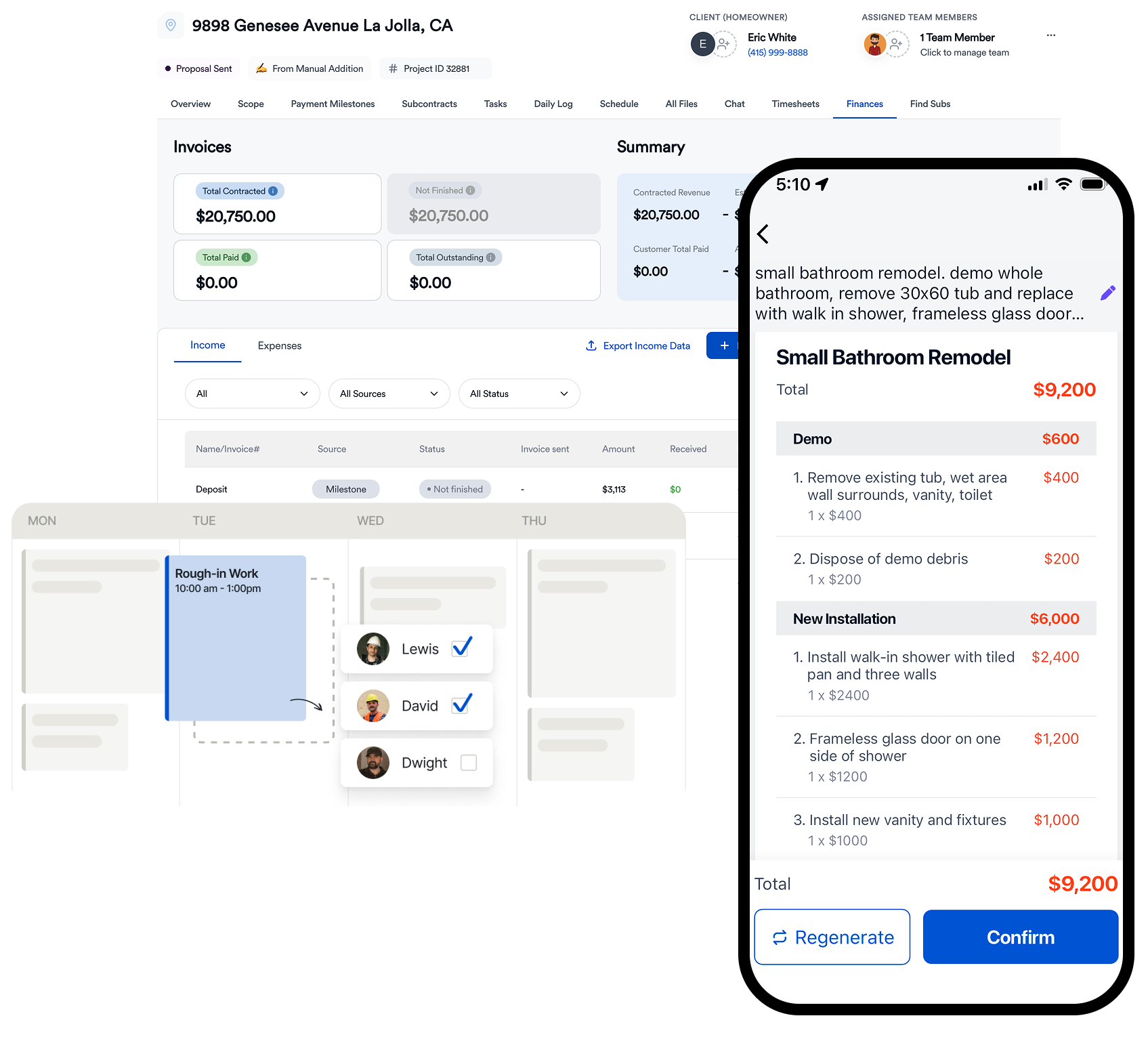
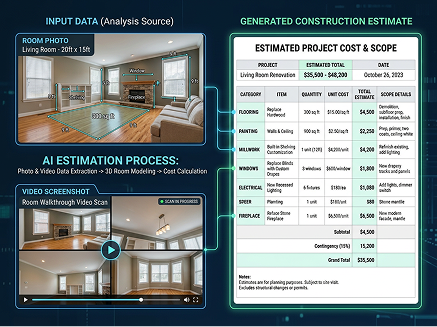
Instead of juggling spreadsheets, outdated templates, or manual calculations redone from scratch each time, project details go into one system and come out as a professional estimate — without the double-checking that eats up an evening. In practice that means real-time cost and update tracking so a price change doesn't slip through unnoticed, fewer of the small entry mistakes that quietly erode margin, and a proposal that reads as polished to a client comparing bids, not cobbled together the night before.
What "Built for Small Business" Actually Means
Most estimating platforms on the market were designed for firms with an IT department or a dedicated estimator — features scaled for a company that isn't yours. What a small team actually needs is simpler: log in, build the estimate, get back to the job. No training manual, no add-ons that never get used.
Tools that try to do everything tend to slow down the person who just needs to send a bid before lunch. Eano Pro is built around speed, clarity, and reliability specifically, rather than a feature checklist aimed at a bigger customer.
The Real Cost of a Small Estimating Error
Estimating mistakes don't have to be dramatic to hurt. Imagine a $100,000 remodeling project expected to produce a 20% gross profit. If labor, materials, or subcontractor costs are underestimated by just $5,000, a quarter of that expected gross profit is already gone.
That's what makes estimating accuracy particularly important for smaller contractors. You don't need to completely miss a room or forget a subcontractor for a bid to become a bad job. Several smaller misses — outdated material pricing, underestimated labor hours, forgotten disposal costs, or inconsistent markup — can add up quickly.
The goal isn't to predict every dollar perfectly. It's to create a repeatable estimating process that makes those misses easier to spot before a client signs the proposal.
Where the Time Actually Gets Saved
The practical wins are specific: bids go out faster, so a slower-moving competitor doesn't win the job on response time alone; pricing and scope errors get caught before they're sent rather than after a client questions them; and an estimate can be adjusted the same day prices or scope change, instead of requiring a full rebuild. Taken together, that's fewer late nights spent reconciling numbers and more projects actually moving forward.
What's Actually Under the Hood
The features that matter for a small shop aren't flashy — they're the ones that remove daily friction: a cost database that reflects current market pricing instead of a number typed in six months ago, templates built for residential, remodel, or light commercial work specifically, markup and margin calculations applied consistently instead of by memory, and integration with whatever project management tool the rest of the job already runs on.
None of that is a bell or whistle. Each one is a direct answer to a specific place small-shop estimates tend to go wrong. If spreadsheets are still the daily tool, construction estimating software built for small business is worth a look — not to replace judgment, but to remove the busywork around it.
What Changes for a Small Team
Teams that switch tend to notice the same things: less second-guessing on a submitted bid, fewer mistakes caught after the fact instead of before, and faster approvals because the numbers are easier to trust at a glance. This isn't about matching a larger competitor's headcount — it's about making the estimating process as solid as the actual work being built.
Before sending an estimate, check:
- Are all major scope items accounted for?
- Are labor rates current?
- Have material prices changed since your last similar project?
- Are subcontractor costs confirmed or reasonably current?
- Is overhead included?
- Is markup applied consistently?
- Are allowances clearly identified?
- Does the scope explain what's included and excluded?
- Did you account for permits, disposal, delivery, and other easily forgotten costs?
- Can the client understand the estimate without calling you for an explanation?
See Eano Pro in Action
Ready to take the guesswork out of estimating? Book a demo and see how much time it could save on the next bid: Schedule a demo here.

.webp)